
This post was originally published in Spring 2026 on the Analog Writers Club. Since that publication has shut its doors, I have decided to republish some of the content here.
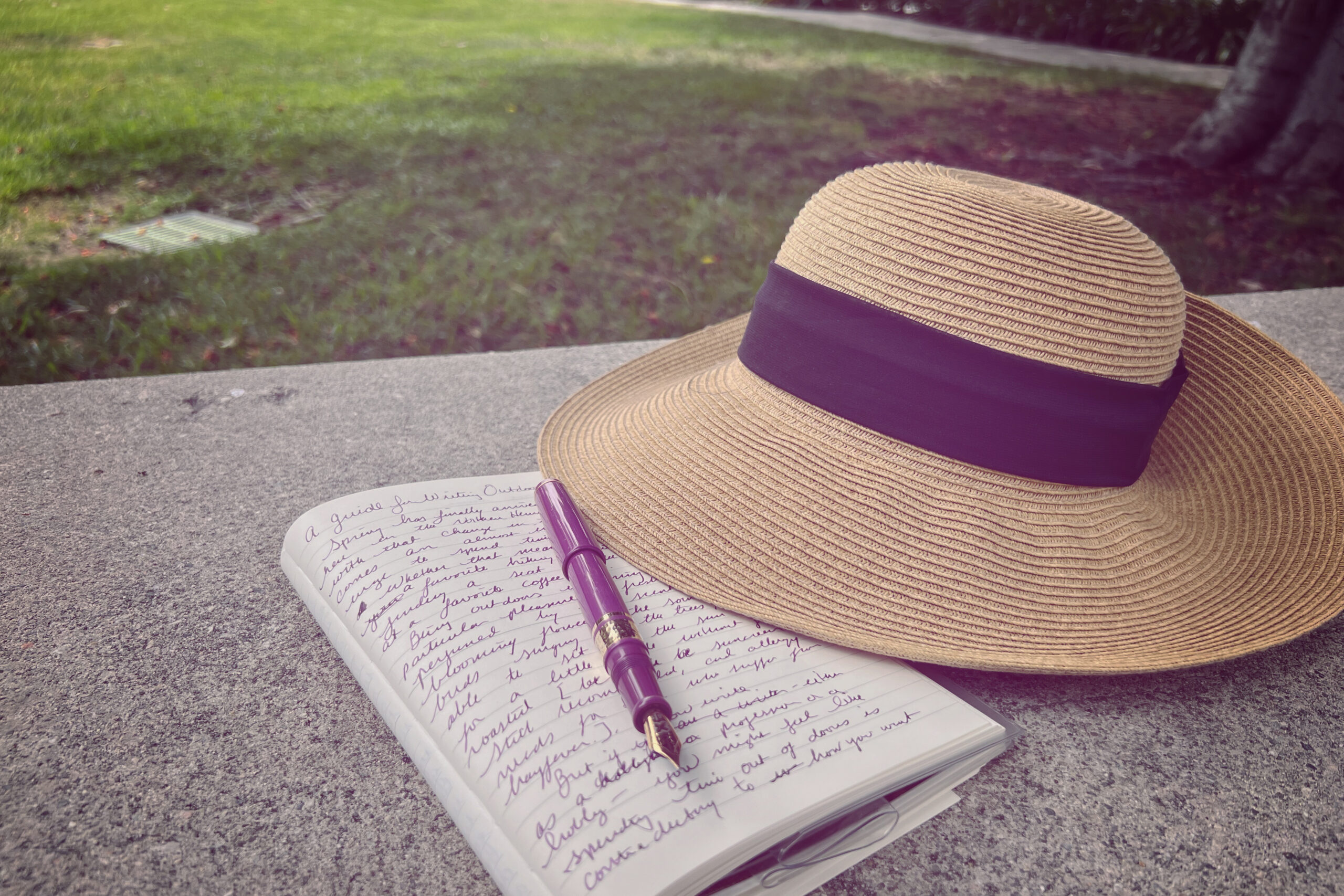
Spring has finally arrived (at least in the northern hemisphere) and with that change in the seasons comes an almost irresistible urge to spend time outdoors — whether that means hitting a favorite hiking trail or finding a seat on the patio at a favorite coffee shop.
Being outdoors in spring is a particular pleasure. Fresh air, perfumed by the scent of blooming flowers. The sound of birds in trees and hedges, joyously celebrating their new families. Being able to sit in the sun for a little while without feeling roasted (sunscreen still recommended, and allergy meds for those who suffer from hay fever).
But if you write, either as a profession or as a hobby, you might feel like spending time out of doors doesn’t cooperate with the time you want to spend practicing your craft. Computer screens are notoriously terrible for writing outdoors — the bright sunlight makes it almost impossible to see the screen, and what happens if you need power, or wifi is unavailable?
Fortunately, those of us who prefer analog tools for our writing habits don’t have to worry about the limitations of digital tools. Notebooks and pens don’t need power cables and the only only thing we have to connect to is our inspiration.
That doesn’t mean that analog writing doesn’t have challenges when we brave the wider world with our pens and notebooks. Thankfully, all it takes is a little forethought to conquer those challenges and embrace the beauty of writing outside.
1. A Small, Sturdy Notebook
Depending on where you go to write, you may or may not have a table to put your notebook on when you settle to do some plein air writing. Cafe patio, yes. Under a tree at the park, maybe — if they have picnic tables. Creekside during a nature hike? Probably not!
A smaller, hardcover notebook, or one that you can fold backwards will be easier to manage in when you have to balance it on your lap to write. This is one of the reasons I like the MD A5 notebook so well — it’s lightweight, easy to slip into a purse or pack, and when I fold it over I can hold it easily in one hand while I write with the other.
The cream-colored pages are another perk; white paper is more likely to create glare when you’re writing in the sun. Another thing to think about when choosing your perfect on-the-go notebook!
2. A Comfy Seat
What a “comfy seat” means will depend entirely on where you are going to write as well as your own physical needs. While I love the idea of sitting on a rock, tree stump or log while writing in nature, it’s not something I can do for long. Even sitting on a park bench can leave me achy after a while. The trick here is to plan ahead. A small pillow or folded blanket can cushion your tailbones on hard surfaces. Or spread out that same blanket on the ground to protect you from grass or dirt.
If you plan to head out into nature regularly or want to engage in longer writing sessions out of doors, it might be worthwhile to invest in a nice camp chair, something that is easy to transport but offers back support — the more comfortable you are, the more writing you will get done.
3. A Snack
If you’re writing on a cafe patio, this one is easy, but if you’re heading out into nature on your writing expedition, it never hurts to bring some sustenance along. This might be as simple as a water bottle and a granola bar, or it might be a whole picnic array with sandwiches, fruit and goblets of lemonade, depending on your nourishment needs (and how much you want to carry with you). All it takes is a little planning ahead so that your outdoor excursion isn’t cut short.
4. A Clip
Even when it’s warm and sunny, the wind can play havoc with your pages when you’re writing outside. Having a clip you can easily reposition to hold things in place will make one less thing to worry about.
5. Dressing in Layers
Just like with snacks, what I wear when I want to write outdoors takes a little forethought. It’s surprising how quickly the temperature can change, especially in spring. Even just stepping from sunlight into shade can make you chilled. A sweater or light jacket that you can put on or off as necessary will ensure your comfort.
And speaking of clothes, don’t forget a hat with a brim and sunglasses — these items will protect your eyes from the glare of the sun while you’re composing your next great piece.
Did you know there is actual science that supports the benefits of writing outdoors? Studies show that connecting with nature can counter mental fatigue, drifting attention and sharpen thinking — even in an urban environment, enjoying a little green can have positive effects. Another great reason to grab your pen and paper and head outside to write!
What’s your favorite place to write outdoors? Share in the comments.
